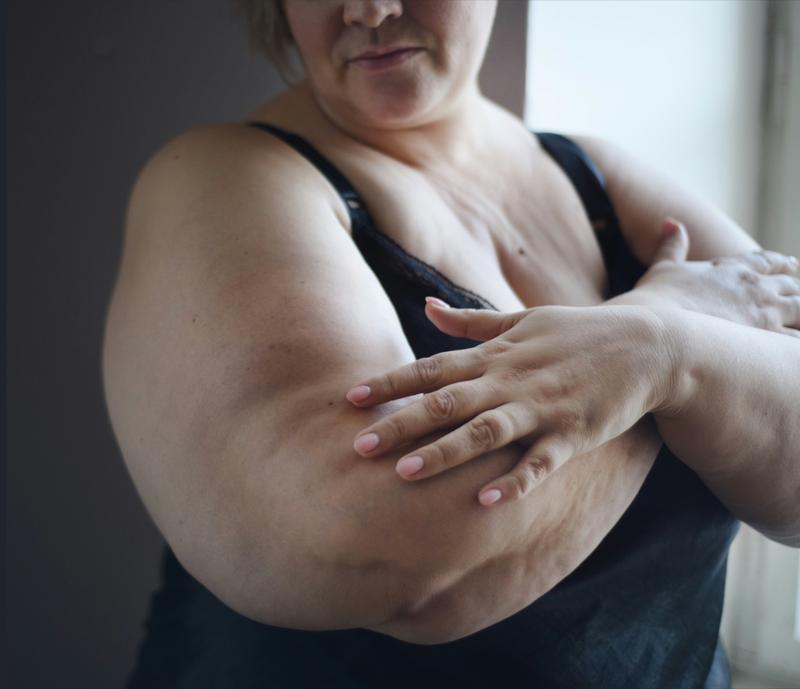
I started at 240 pounds. I had tried every diet, every online program, every app that promised results. Nothing held. Then I found Florida Aesthetics and Wellness' medical weight loss program in Brandon, and over the next 14 months, I lost 80 pounds. This is that story.
Years of Trying on My Own
For most of my thirties, I was caught in a cycle that many people know well. I would commit to a new eating plan, lose 15 or 20 pounds over a few months, and then slowly gain it all back when motivation faded or life got in the way. The problem was never a lack of effort. I was working hard. But I was working without real structure, without anyone checking in, and without any understanding of what was actually happening in my body.
By the time I looked into medically supervised weight loss, I had been carrying extra weight for nearly a decade. My knees ached. My energy was low. My doctor had started mentioning my blood sugar and cholesterol at every visit. I knew something had to change, but I also knew from experience that willpower alone was not going to get me there.
Finding Florida Aesthetics and Wellness
A friend who had lost weight at Florida Aesthetics and Wellness mentioned the program during a conversation. I was skeptical at first. I had tried programs before, and most of them handed you a printed meal plan and little else. But she described something different: a team that actually monitored her progress, adjusted her plan based on her body's response, and kept her accountable month after month.
I booked a complimentary consultation and went in expecting the usual pitch. What I got instead was a thorough conversation about my health history, my previous attempts, and my goals. They weren't selling me a quick fix. They were mapping out a realistic path.
The Medical Assessment and Starting the Program
The process started with a comprehensive intake. The team reviewed my health history and current medications, and we talked honestly about what had and hadn't worked in the past. Then came a step I hadn't experienced in any previous program: a body composition analysis.
Rather than just stepping on a scale, I learned exactly how much of my body weight was fat versus lean muscle mass. That number was sobering, but it was also clarifying. For the first time, I had an objective baseline to work from. I understood that losing weight wasn't just about the number on the scale. It was about losing fat while protecting the muscle I had.
Why Body Composition Matters More Than Scale Weight
Two people can weigh the same and have very different bodies depending on their ratio of fat to lean mass. Tracking body composition over time helps ensure that weight loss is coming from fat stores, not muscle. This is especially important for long-term metabolic health and keeping weight off once it comes off.
Monthly Check-Ins Changed Everything
The most important part of the program, for me, was the accountability. Every month I came back in for a follow-up. We would review my weight, repeat the body composition measurements, and talk through what was working. If I had plateaued, we adjusted. If my nutrition was off track, we course corrected. If I was struggling with a particular habit, my provider helped me think through it practically rather than just telling me to try harder.
That ongoing relationship was what made this different from everything I had tried before. I wasn't doing this alone. There was a team whose job it was to help me succeed, and knowing that a check-in was coming kept me on track even during difficult weeks.
What the Results Felt Like
By month six, I had lost 35 pounds. By month ten, I was past 60 pounds. And at month 14, I stepped on the scale and saw a number I hadn't seen since my mid-twenties. Eighty pounds gone.
But the number wasn't even the most meaningful part. My knees stopped aching. I was sleeping better than I had in years. My doctor's office visits changed: instead of warnings about blood sugar and cholesterol, I started hearing things like "your labs look great." I could keep up with my kids without getting winded. I bought clothes in sizes I thought I would never wear again.
The confidence that came with those changes is hard to put into words. I felt like myself again, maybe more than I had in a very long time.
A Note on Where the Program Is Today
When I went through the program in 2018 and 2019, the approach centered on medical supervision, nutrition structure, behavioral accountability, and body composition tracking. That combination worked, and it still forms the foundation of what Florida Aesthetics and Wellness offers today.
Today, Florida Aesthetics and Wellness also offers GLP-1 receptor agonist medications (a class of prescription drugs that help regulate appetite and blood sugar), including semaglutide, as part of a medically supervised protocol for patients who qualify. These newer tools have changed what is possible for patients who qualify, and they are integrated into the same personalized, medically supervised approach that made the program work for me.
If you have been struggling with weight for years and feel like you have tried everything, a medically supervised program may be the difference. Not because the work is easier, but because you are not doing it alone. You can also read about what body composition analysis measures and why it matters more than the scale, or follow Sabrina's medical weight loss journey for another patient perspective.
Frequently Asked Questions
How long does it take to lose significant weight on a medically supervised program?
Timelines vary by individual. In this patient's experience, she lost 35 pounds by month six, passed 60 pounds by month ten, and reached 80 pounds lost at month 14. Medically supervised programs are designed for steady, sustainable fat loss rather than rapid results, and a board-certified anti-aging specialist adjusts the plan based on each patient's progress and response.
What is body composition analysis and why does it matter for weight loss?
Body composition analysis is a measurement that separates your total body weight into fat mass and lean muscle mass. Unlike a standard scale, it shows whether weight loss is coming from fat stores or muscle. Protecting muscle during weight loss is important for long-term metabolic health and for keeping weight off once it is gone.
What does a medically supervised weight loss program include?
A medically supervised program typically includes an initial health assessment, a baseline body composition analysis, a personalized nutrition and behavioral plan, and monthly follow-up check-ins with a medical provider. If appropriate, a board-certified anti-aging specialist may also incorporate prescription medications such as GLP-1 receptor agonists (a class of medications that help regulate appetite and blood sugar) into the plan.
Who is a good candidate for medical weight loss?
Medical weight loss programs are generally well-suited for adults who have struggled to lose weight through diet and exercise alone, particularly those with weight-related health concerns such as elevated blood sugar, high cholesterol, or joint pain. Candidacy depends on an individual's health history and is determined by a medical provider during a consultation. This content is for educational purposes only and is not a substitute for personalized medical advice.
What role does monthly accountability play in medical weight loss?
Regular check-ins with a medical team help patients stay on track, identify and correct plateaus early, and adjust the plan as the body changes. Many patients find that knowing a follow-up appointment is coming keeps them consistent during difficult weeks, a level of structure that self-directed diets rarely provide.
Does Florida Aesthetics and Wellness offer GLP-1 medications like semaglutide?
Yes. In addition to the foundational program elements of medical supervision, nutrition guidance, and body composition tracking, Florida Aesthetics and Wellness now offers GLP-1 receptor agonist medications including semaglutide as part of a medically supervised protocol for patients who qualify. Availability and eligibility are determined at consultation.
This article is for educational and informational purposes only and does not constitute medical advice, diagnosis, or treatment. Individual results vary and are not guaranteed. Consult a qualified medical provider before starting any weight loss program.