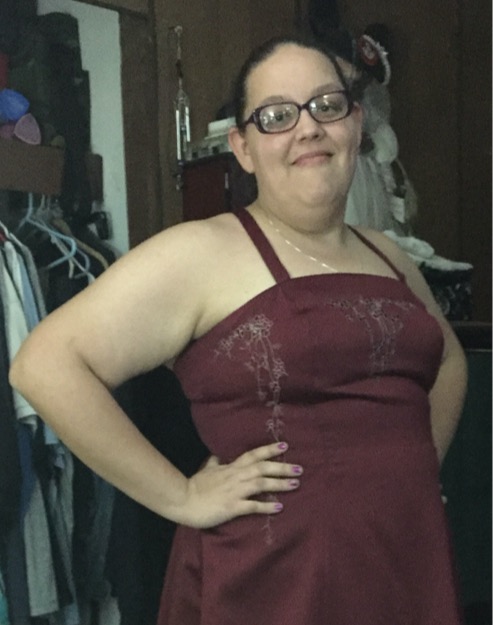
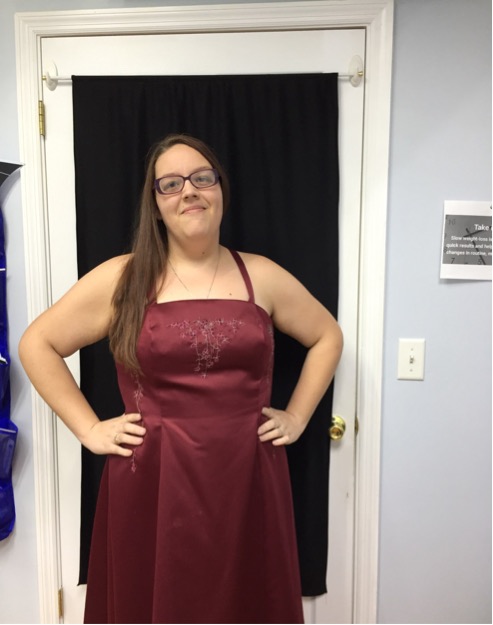
Sabrina came to Florida Aesthetics and Wellness in early 2019 carrying more than extra weight. She was exhausted, her clothes no longer fit, and after years of trying on her own, she had started to believe that losing the weight was simply not possible for her. Twelve months later, she had lost 51 pounds. This is her story.
Where Sabrina Started
At just over 185 pounds, Sabrina did not look the way she wanted to feel. More pressing, though, was the daily reality of the weight: persistent fatigue that arrived before noon, clothes in her closet that she had quietly stopped wearing, and a growing sense that her body was working against her rather than with her.
"I was tired all the time," she recalls. "Not just at the end of the day. From the moment I got up, I felt like I was carrying something heavy." That heaviness had a measurable impact on her mood, her motivation, and her sense of who she was.
Her concern about her weight is one many people share. If you recognize that experience, the Overweight concern page on our site outlines the medical context and the treatment options Florida Aesthetics and Wellness offers to address it.
Why Diets and Gym Memberships Had Not Worked
Sabrina had not been passive. She had tried multiple approaches over the years: calorie-restriction diets, a gym membership she used consistently for several months, and a popular meal-delivery service. Each effort produced some early movement on the scale, followed by a plateau that led to discouragement and, eventually, a return to her previous weight.
This is a familiar pattern. Without understanding how an individual body actually responds to caloric intake and exercise, and without a professional to adjust the plan when progress stalls, most weight loss attempts rely on willpower alone. Willpower is not a sustainable clinical strategy.
"I kept thinking I just needed more discipline," Sabrina says. "But discipline alone was not getting me there. I needed someone to actually look at what was happening with my body."
A Friend's Recommendation Changed Everything
A coworker whose own transformation Sabrina had watched unfold over several months mentioned Florida Aesthetics and Wellness. The coworker had worked with the team in Brandon on a supervised program and had seen consistent results. Sabrina made an appointment for a consultation, expecting to hear a standard sales pitch. What she found was different.
"They actually listened to me. They asked about my history, what I had tried, what had and had not worked. It felt like a real medical visit, not a sales appointment."
The Program: What Medical Supervision Actually Looks Like
Sabrina's medical weight loss program at Florida Aesthetics and Wellness began with a comprehensive intake that went well beyond a number on a scale. The team reviewed her health history, her previous weight loss attempts, and her current lifestyle before recommending a plan.
A key early step was body composition analysis. Rather than tracking weight alone, this assessment measures the ratio of lean muscle mass to body fat, providing a clearer picture of what the body is actually made of and how it is likely to respond to dietary and metabolic changes. For Sabrina, this step was clarifying.
"Seeing the actual numbers, not just my weight but what was actually going on inside, made the problem feel solvable. It was not some vague thing anymore. It was data."
From there, her provider team built a supervised meal plan approach tailored to her composition results and her daily routine. The plan was structured but practical, designed to create a consistent caloric deficit while protecting her lean muscle mass.
Why B12/MIC Injections Supported Her Progress
One of the consistent challenges Sabrina faced during previous diet attempts was low energy, which made it difficult to stay active and maintain motivation. Florida Aesthetics and Wellness incorporated B12/MIC injections into her protocol. These injections deliver a combination of B12 and lipotropic compounds (methionine, inositol, and choline) that support energy metabolism and liver function. For many patients, they provide a meaningful lift in energy levels during the caloric-deficit phase of a weight loss program, when fatigue is most common.
Accountability: Monthly Check-Ins That Kept Her on Track
Perhaps the single most important structural element of Sabrina's program was the monthly check-in schedule with her provider team. At each visit, her weight and body composition were measured, her plan was reviewed, and adjustments were made based on how her body was responding.
This built-in accountability changed her relationship with the process. Rather than fighting a solo battle against a plateau and giving up, she had a scheduled moment to discuss what was and was not working with a medical team who could actually do something about it.
"Knowing I had an appointment coming up kept me honest. But it was more than that. When I hit a stall around month four, my provider adjusted the plan instead of just telling me to try harder. That felt completely different from anything I had done before."
The Results: 51 Pounds Over About 10 Months
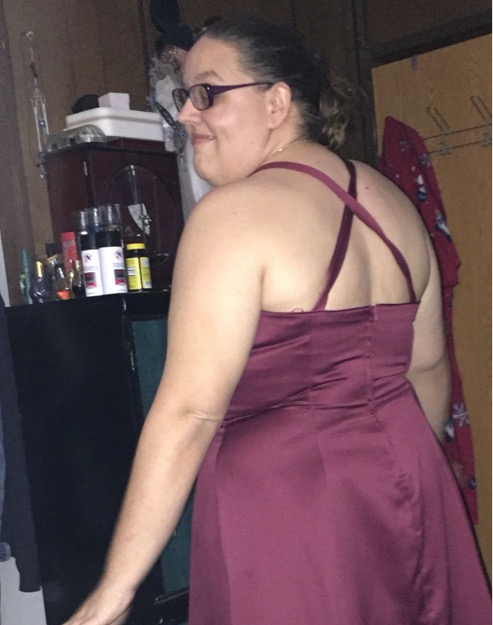
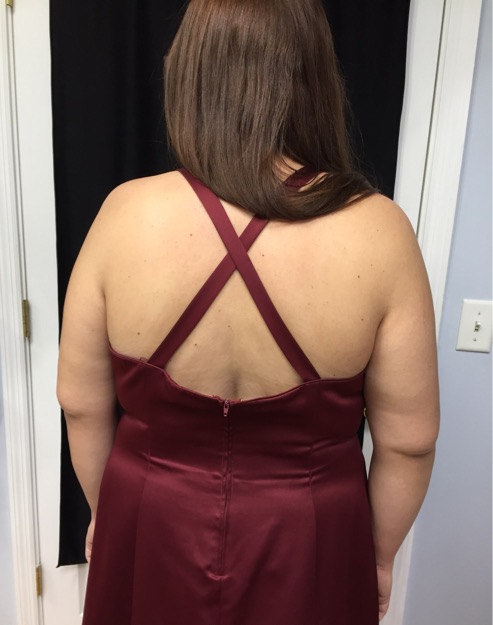
Over approximately ten months, Sabrina lost 51 pounds. That number does not fully capture the change. Her energy levels shifted noticeably within the first two months. By mid-program, she was sleeping better, moving more comfortably through her day, and feeling less of the chronic fatigue that had been her baseline for years.
The wardrobe moment that many patients describe came for Sabrina around month seven: she pulled out clothes she had not worn in several years and found that they fit again. That experience, more than the number on the scale, marked a turning point in how she saw herself.
"I had forgotten what it felt like to be comfortable in my own skin. When I put those clothes on and they fit, I actually cried. Not because of vanity. Because I felt like myself again."
What Made the Difference: Medical Supervision vs. Going It Alone
Sabrina is clear about what separated this experience from her previous attempts: the presence of a medical team that could interpret her body's responses, adjust her plan in real time, and provide clinical support tools like body composition monitoring and B12/MIC injections when her energy flagged.
Going it alone means adjusting based on guesswork. Medical supervision means adjusting based on data. For patients with a meaningful amount of weight to lose, that distinction matters enormously.
If you are struggling with weight and have tried on your own without lasting success, the overweight concern page is a good starting point for understanding what a medically supervised approach can offer that self-directed efforts typically cannot.
A Note on Where the Program Has Evolved
Sabrina's program in 2019 used the medically supervised, composition-guided approach that has always been the foundation of Florida Aesthetics and Wellness's weight loss care. Since then, the field of medical weight management has expanded significantly. Florida Aesthetics and Wellness now also offers FDA-approved GLP-1 medications, including semaglutide, for patients who are clinically appropriate candidates. These medications represent a meaningful advancement in the treatment of excess weight and are prescribed and monitored by our provider team with the same level of individualized care that guided Sabrina's journey. For a broader look at how GLP-1 options compare, see Semaglutide vs. Tirzepatide: The Evolution of Metabolic Medicine.
Whether the right program for you includes GLP-1 therapy, the composition-based approach Sabrina followed, or a combination of tools, the process begins the same way: a conversation with our clinical team about your history, your goals, and your body. Another patient's account of a similar transformation is worth reading: An Incredible Weight Loss Journey with Semaglutide.

Frequently Asked Questions
What is a medically supervised weight loss program?
A medically supervised weight loss program pairs you with a clinical team, typically a board-certified anti-aging specialist or medical provider, who reviews your health history, measures your body composition, and builds a personalized plan. Unlike self-directed diets, the team adjusts your protocol based on how your body actually responds, which helps address plateaus and maintain lean muscle while losing fat.
What is body composition analysis and why does it matter for weight loss?
Body composition analysis measures the ratio of lean muscle mass to body fat rather than tracking weight alone. This gives a clearer picture of what is changing inside your body. For weight loss patients, it helps distinguish fat loss from muscle loss and guides meal-plan adjustments to protect lean tissue during a caloric deficit.
What are B12/MIC injections and how do they support weight loss?
B12/MIC injections deliver vitamin B12 alongside a blend of lipotropic compounds, methionine, inositol, and choline, that support energy metabolism and liver function. They do not cause weight loss on their own, but many patients find they help offset the fatigue that is common during the caloric-deficit phase of a program, making it easier to stay active and consistent.
How long does medical weight loss typically take to show results?
Timelines vary by individual. In Sabrina's case, she noticed meaningful energy improvements within the first two months and reached her 51-pound goal over approximately ten months. Most patients on a supervised program have regular check-ins where the plan is reviewed and adjusted, which helps prevent prolonged plateaus.
Who is a good candidate for a supervised weight loss program?
People who have tried self-directed diets or gym routines without lasting success are often good candidates. A supervised approach is especially helpful if you have hit repeated plateaus, struggle with low energy during dieting, or want a plan calibrated to your body composition rather than a generic calorie target. A consultation with our medical providers can determine which approach, composition-based nutrition, injectable support, GLP-1 medications, or a combination, is appropriate for your history and goals.
Does Florida Aesthetics and Wellness offer GLP-1 medications like semaglutide?
Yes. Florida Aesthetics and Wellness now offers FDA-approved GLP-1 medications, including semaglutide, for clinically appropriate candidates. These medications are prescribed and monitored by our medical providers with the same individualized oversight that guided Sabrina's composition-based program. Whether GLP-1 therapy is right for you depends on your health history and goals, a complimentary consultation is the best starting point.
This article is for educational purposes only and does not constitute medical advice, diagnosis, or treatment. Individual results vary. Consult a qualified medical provider before beginning any weight loss program.